
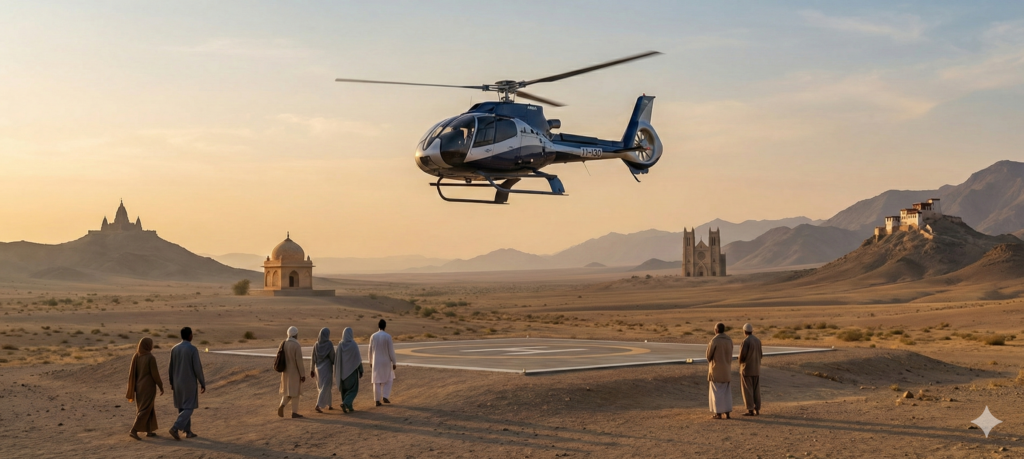
Helicopter Journeys to Spiritual Landmarks
A seamless way to reach the world’s most revered sites
Helicopters support aerial access to sacred sites that may be remote, seasonal, or infrastructure-limited, helping operators manage demand while maintaining operational efficiency.
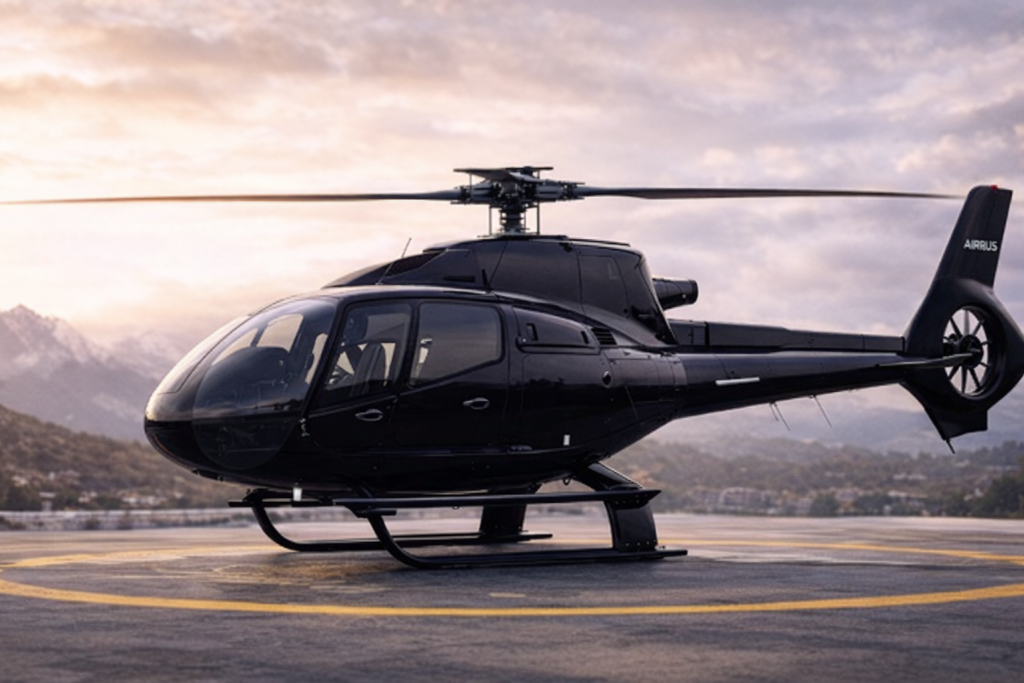
Helicopters play a practical role in religious and spiritual tourism by enabling access to remote, terrain-challenged, or time-sensitive destinations. Their flexibility, vertical lift capability, and minimal infrastructure requirements make them a suitable asset for serving pilgrimage and heritage travel worldwide.
Key Advantages of Helicopter Operations
- Vertical take-off and landing in constrained locations
- Reduced surface travel time
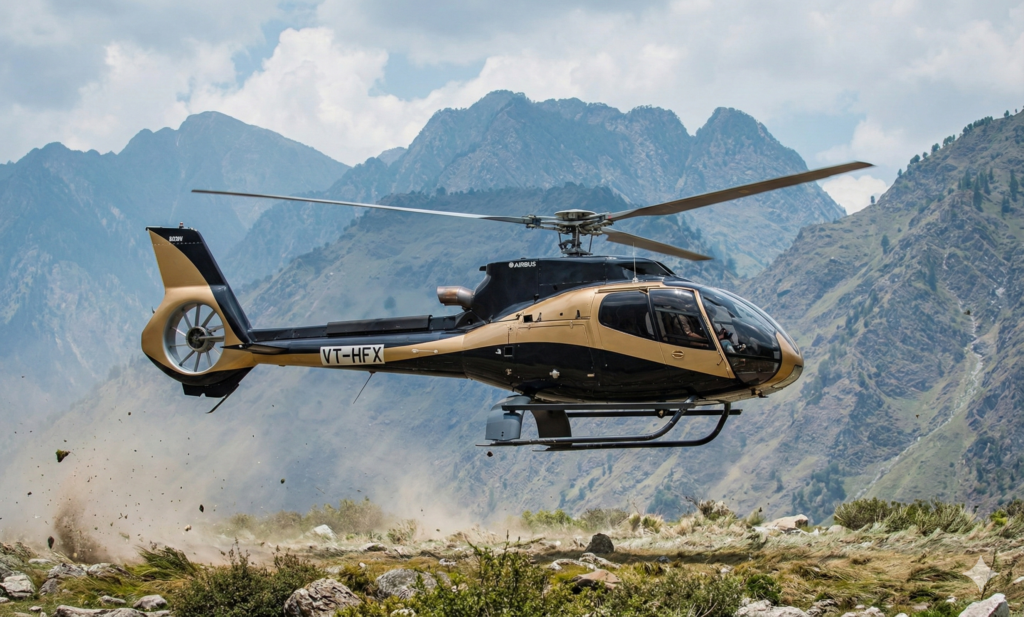
- Ability to operate in mountainous, coastal, or remote terrain
- Flexible routing without dependence on road networks
Operational Deployment
Helicopters used in pilgrimage and spiritual travel are typically deployed as part of structured operational programs. These deployments are designed to support predictable demand peaks, geographic constraints, and time sensitive travel requirements.
Common deployment models include:
- Seasonal operations aligned with pilgrimage calendars and religious festivals
- Point-to-point access between staging areas and remote sacred sites
- Supplementary aerial capacity during periods of high surface congestion
- Rotational deployment across multiple destinations within a region
Helicopters operate from temporary or existing helipads, open landing zones, or designated operating areas, requiring minimal permanent infrastructure. This enables rapid activation and deactivation of services in line with demand, regulatory approvals, and environmental considerations.
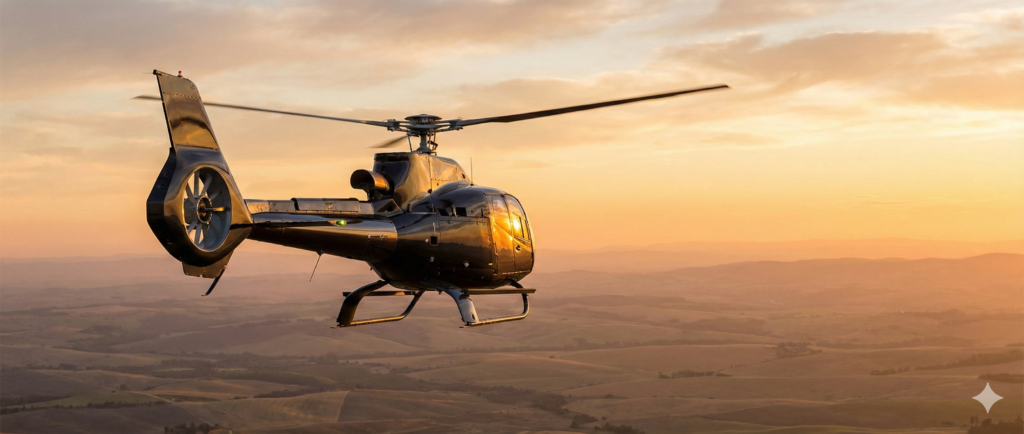
Enabling Aerial Access to Sacred Destinations
Helicopter leasing solutions aligned with seasonal and regional travel demand.