
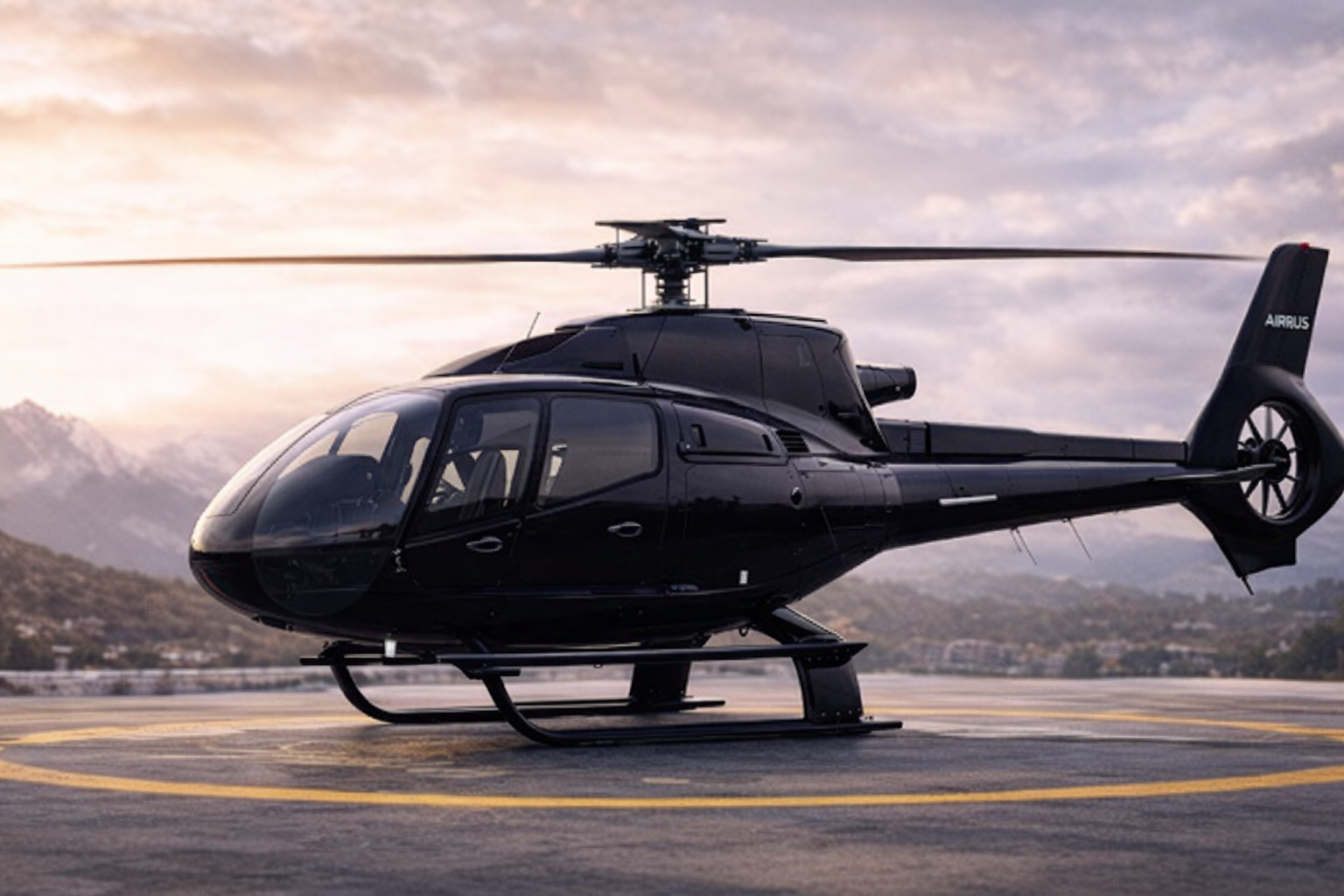

India’s civil helicopter sector has reached a structural inflection point with Airbus Helicopters and Tata Advanced Systems Limited (TASL) establishing a final assembly line for the H125 helicopter in India. This move marks a decisive shift—from dependence on imports to domestic capability-building in rotor-wing aviation.
The H125 is one of the world’s most versatile and widely deployed light helicopters, used across tourism, law enforcement, offshore operations, utility flying, and emergency medical services. Local assembly in India is not merely symbolic. It significantly shortens delivery timelines, stabilises lifecycle costs, and improves availability of spares, training, and technical support—longstanding pain points for Indian operators.
From a national perspective, the programme aligns squarely with Make in India and Viksit Bharat ambitions. It strengthens India’s aerospace manufacturing base, creates high-skill jobs, and opens the door for Indian MSMEs to enter global helicopter supply chains. With Asia-Pacific emerging as the fastest-growing helicopter market, India is positioning itself as a regional hub for both domestic consumption and exports.
Operationally, the impact will be felt on the ground—and in the air. Faster fleet induction supports the expansion of UDAN heli-routes, pilgrimage connectivity, air ambulance services, disaster response, and tourism circuits in remote regions. State governments investing in heliports will now have better access to aircraft that are assembled, supported, and eventually partially sourced from within the country.
The Airbus–Tata H125 line is not just about manufacturing helicopters. It is about manufacturing confidence in India’s rotor-wing future.