
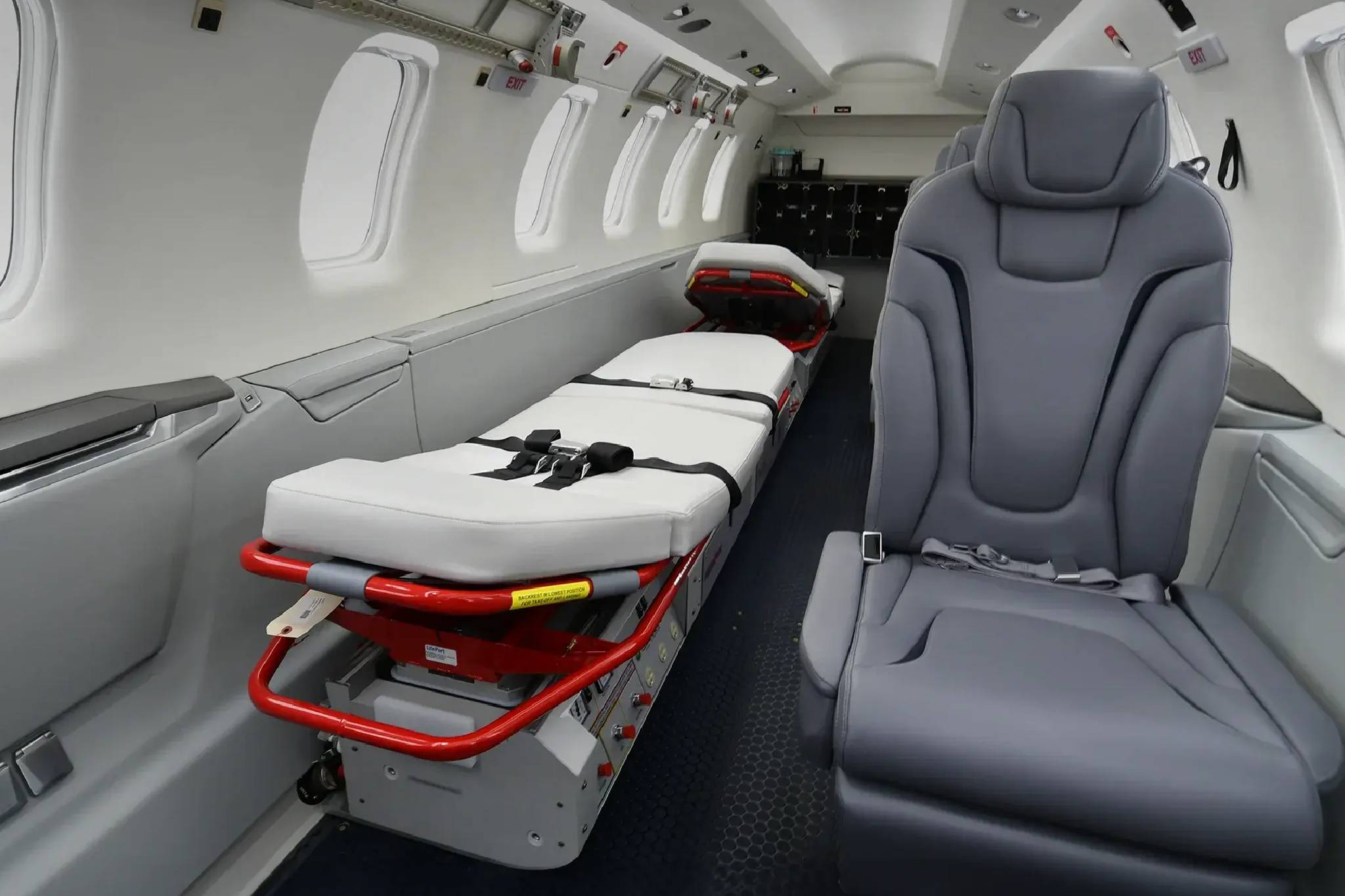

In emergency medicine, time is the most unforgiving variable. Helicopters compress time like no other transport mode, making them indispensable to trauma care, cardiac emergencies, and disaster response. India’s rapidly expanding air ambulance sector reflects growing recognition that rotor-wing aviation is essential healthcare infrastructure, not a luxury service.
As heliports proliferate and night-flying capabilities improve, helicopter emergency medical services (HEMS) can integrate more deeply with public health systems—especially in remote districts and hill states. This integration aligns directly with Viksit Bharat’s promise of equitable access to lifesaving services.
Beyond speed, helicopters offer reach. They bridge terrain barriers, bypass congestion, and connect district hospitals to tertiary care centres within the critical “golden hour.” For families in remote areas, this can mean the difference between life and death.
The next phase of growth must focus on standardisation—clinical protocols, crew training, insurance integration, and public-private partnerships—to ensure air ambulances serve citizens broadly, not just corporates or high-income patients.
In a country as geographically diverse as India, rotor-wing medical aviation is not optional. It is an ethical imperative.