
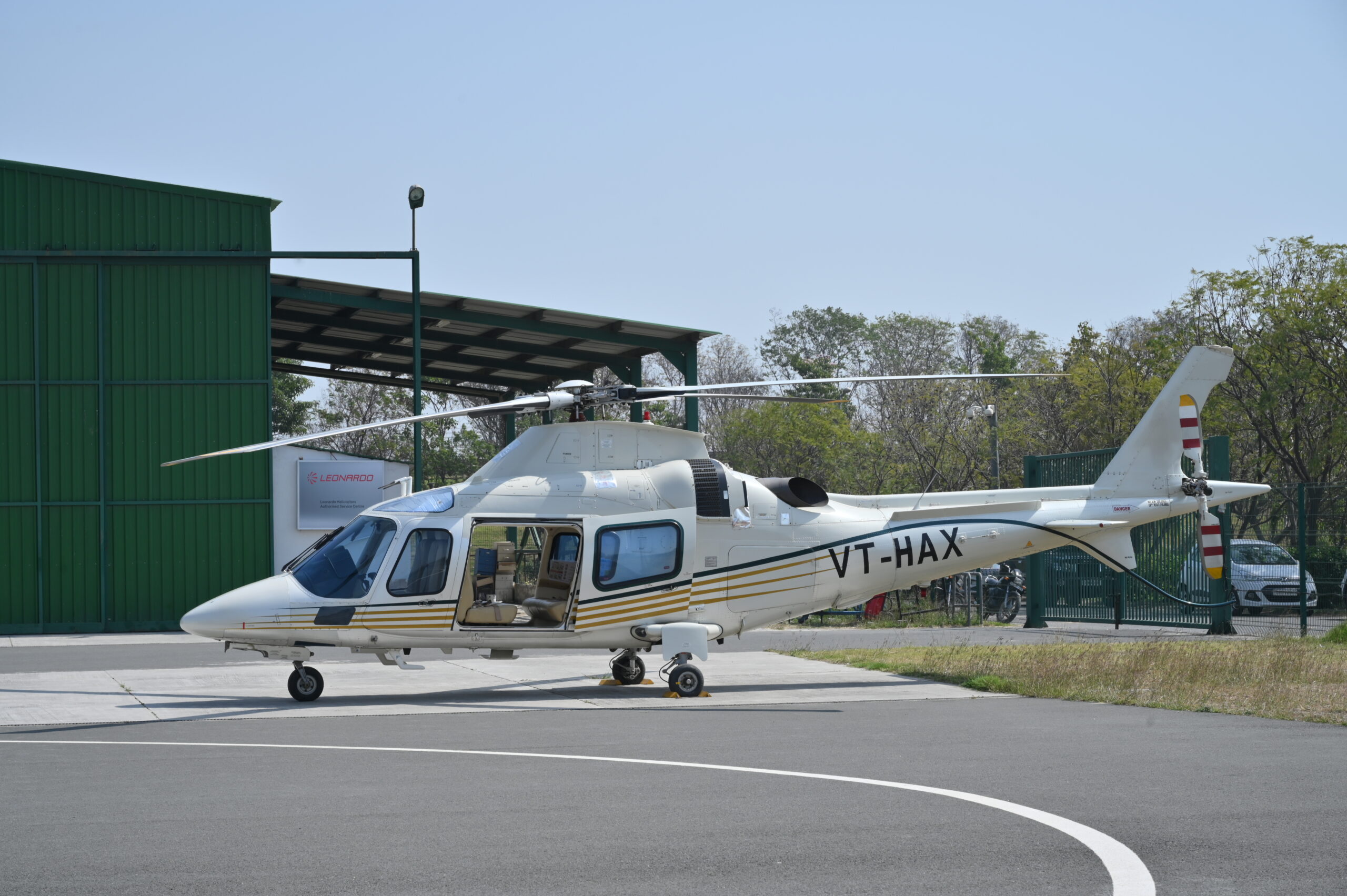

The launch of heli-taxi services from Shimla’s Sanjauli heliport is a practical demonstration of how helicopters can transform mobility in hill states. Routes connecting Shimla to Kullu, Kinnaur and Chandigarh replace exhausting road journeys with short, predictable air hops—changing how residents, tourists and emergency services move.
What makes Shimla significant is not novelty, but replicability. The service integrates DGCA approvals, state support, hospital proximity and tourism demand—ingredients available across many Himalayan and Western Ghats regions.
From a policy lens, this aligns neatly with UDAN’s objective of regional equity. Helicopters are uniquely suited to mountainous terrain where road expansion is costly, slow and environmentally sensitive. For citizens, it means access—to education, healthcare and livelihoods—without geographic penalty.
Commercially, Shimla proves that helicopter services can work beyond elite charter models if pricing, scheduling and reliability are right. It also underlines the importance of heliport infrastructure planning—location, weather resilience and passenger handling.
As more states watch Shimla’s performance, heli-taxi services could become a standard component of hill-state transport planning. This is how aviation moves from aspiration to utility.